


Seeds Are Sacred: Why Community Seed Banks Matter for Rural Futures
- Nayka Vaughn
- Jan 19
- 3 min read


At East Food Gardens, we don’t see seeds as products.
We see them as relatives, teachers, and protectors.
Seeds hold memory. They hold culture. They hold the instructions for survival that our ancestors carried through forced migration, land theft, climate shifts, and generations of resistance. In rural communities, especially those facing food, economic, and environmental insecurity, seed banks are not optional — they are essential.
Seeds Preserve Our Heritage and Our History


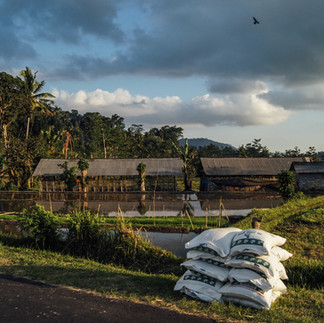


Every heirloom seed tells a story. These seeds were selected, saved, and shared by farmers long before industrial agriculture existed. Many come from Black, Indigenous, and diasporic communities who relied on seed saving as a way to survive when access to land, resources, and markets was limited or denied.
When we save seeds, we preserve living history. We protect flavors, medicines, and farming knowledge that cannot be replicated in a laboratory. Community seed banks ensure that our food traditions are not erased and that future generations can grow what their ancestors once grew.
Seed Banks Create Economic Opportunity in Insecure Communities


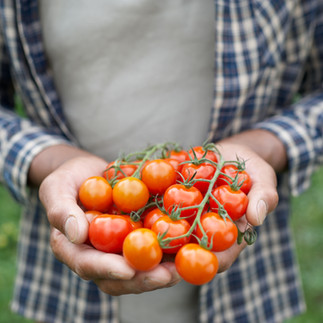
Rural communities often experience overlapping insecurities — food insecurity, job instability, and limited access to capital. Seed banks help create new pathways for income and self-sufficiency.
Through seed saving, local growers can:
- Reduce dependence on expensive commercial seeds
- Sell or trade seeds locally
- Create cooperative seed enterprises
- Offer education, workshops, and seed starter kits
Seeds become an asset that stays in the community, circulating knowledge and wealth instead of exporting it elsewhere.
Saving Seeds Means Saving Endangered Plant Relatives


Every year, seed varieties disappear due to monocropping, genetic modification, and corporate consolidation. When seeds are lost, we lose biodiversity, climate resilience, and food security.
Community seed banks act as protection systems for endangered and climate-adapted seeds. These varieties are often better suited to local soil, weather, and pests — making them critical as climate conditions become more unpredictable.
Seed diversity is insurance for the future.
Healthy Seeds Grow Healthy Soil and Healthy Air


Seed banks are directly connected to environmental health. Heirloom and non-GMO seeds work in harmony with regenerative farming practices that rebuild soil instead of depleting it.
Healthy soil:
- Stores carbon
- Improves water retention
- Reduces erosion
- Supports microbial life
When soil health improves, air quality improves. When land is cared for, communities breathe easier. Seed saving is climate action at the community level.
Non-GMO Heirloom Seeds Mean More Nutrient-Dense Food


Many commercial crops are bred for shelf life and appearance, not nutrition. Heirloom seeds, on the other hand, are often richer in vitamins, minerals, and medicinal properties.
Seed banks allow local farmers to grow food that actually nourishes people. This matters deeply in rural areas where diet-related illnesses are common and access to fresh, nutrient-dense food is limited.
Healthy seeds lead to healthier bodies.
Seed Banks Prepare the Next Generation of Farmers
Seed banks are classrooms rooted in the land. They teach young and beginning farmers how to:
- Understand plant genetics
- Adapt crops to climate conditions
- Build independence from corporate systems
- Practice true stewardship of land and food
When farmers know how to save seeds, they control their future. Passing this knowledge forward ensures farming remains a living practice, not a disappearing tradition.
Education Turns Community Members into Stewards


Seed banks are not just for farmers. They are for elders, youth, home gardeners, and anyone who eats , which is all of us.
Through workshops, seed swaps, and hands-on learning, communities reconnect with where food comes from. Education around seed saving shifts people from consumers to caretakers and strengthens collective responsibility for the land.
Seeds Are the Root of Community Resilience


At East Food Gardens, we believe seed banks are foundational to food sovereignty, climate resilience, and cultural preservation. They allow rural communities to feed themselves with dignity, protect ancestral knowledge, and build systems rooted in care rather than extraction.
When we protect seeds, we protect the future.
And that future belongs to the community.


Comments